What Is a Low-Voltage Technician?
If you’ve ever noticed the security cameras watching over a local store or the fire alarms keeping your school safe, a low-voltage technician is responsible for installing those systems.
At Walker Electric, we provide low-voltage technician jobs near Lexington, KY. Our professionals specialize in these vital roles and have rewarding careers. We’ve compiled this guide to help you learn more about this career path and determine if it’s right for you.
What Exactly Is Low-Voltage?
In most homes, the standard voltage is 120 or 240 volts, depending on the appliance or circuit. Low-voltage systems, however, run on 50 volts or less. Your doorbell, the cameras at the bank, and internet cables all operate on low-voltage power.
These communication, security, and automation task systems require specialized knowledge for safe, proper installation and maintenance.
What Do Low-Voltage Techs Do Every Day?
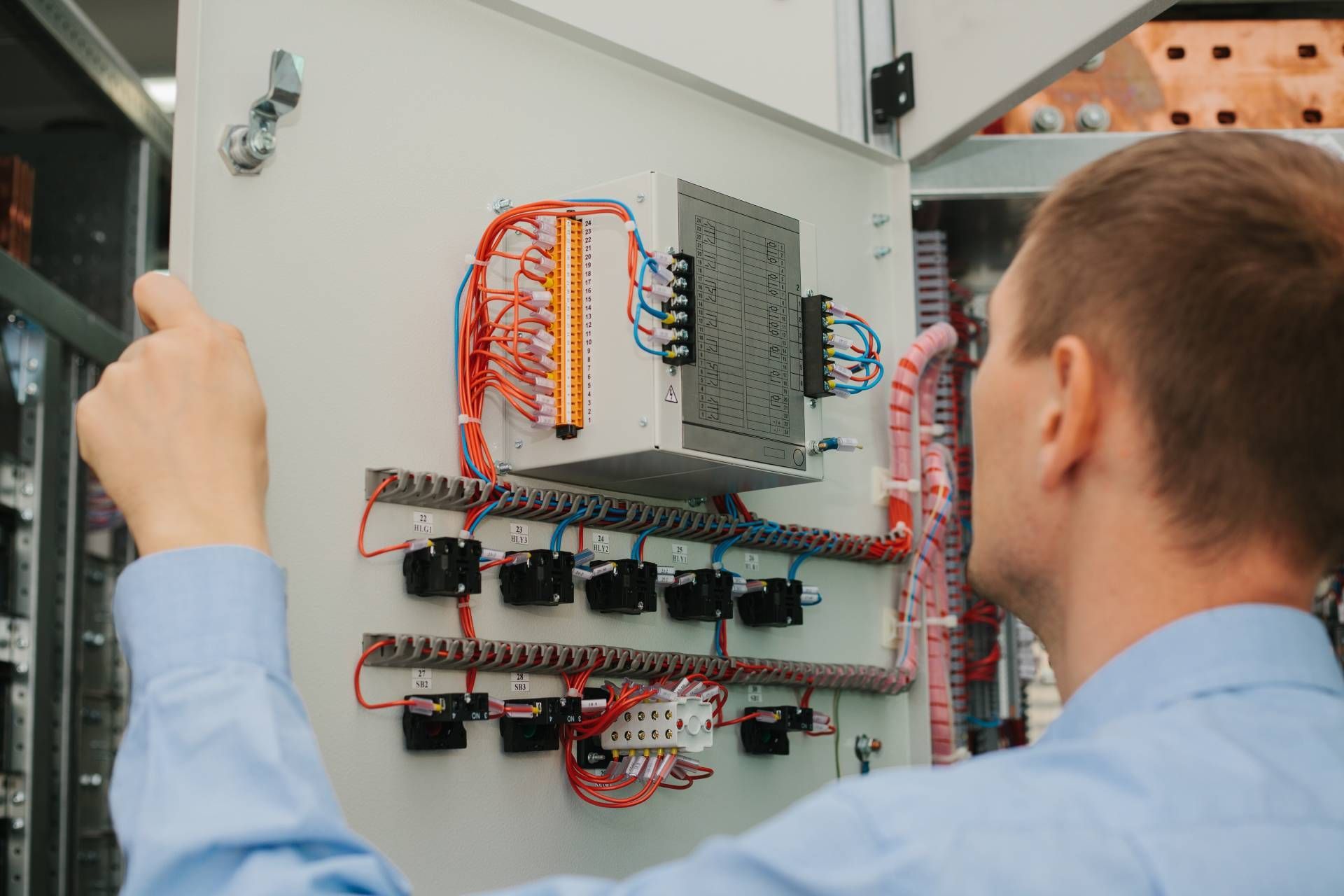
Daily tasks may vary depending on your project and client. Generally, low-voltage technicians read blueprints to map cable routes through walls, ceilings, and floors. They install security cameras, wire alarm systems, and set up network infrastructure.
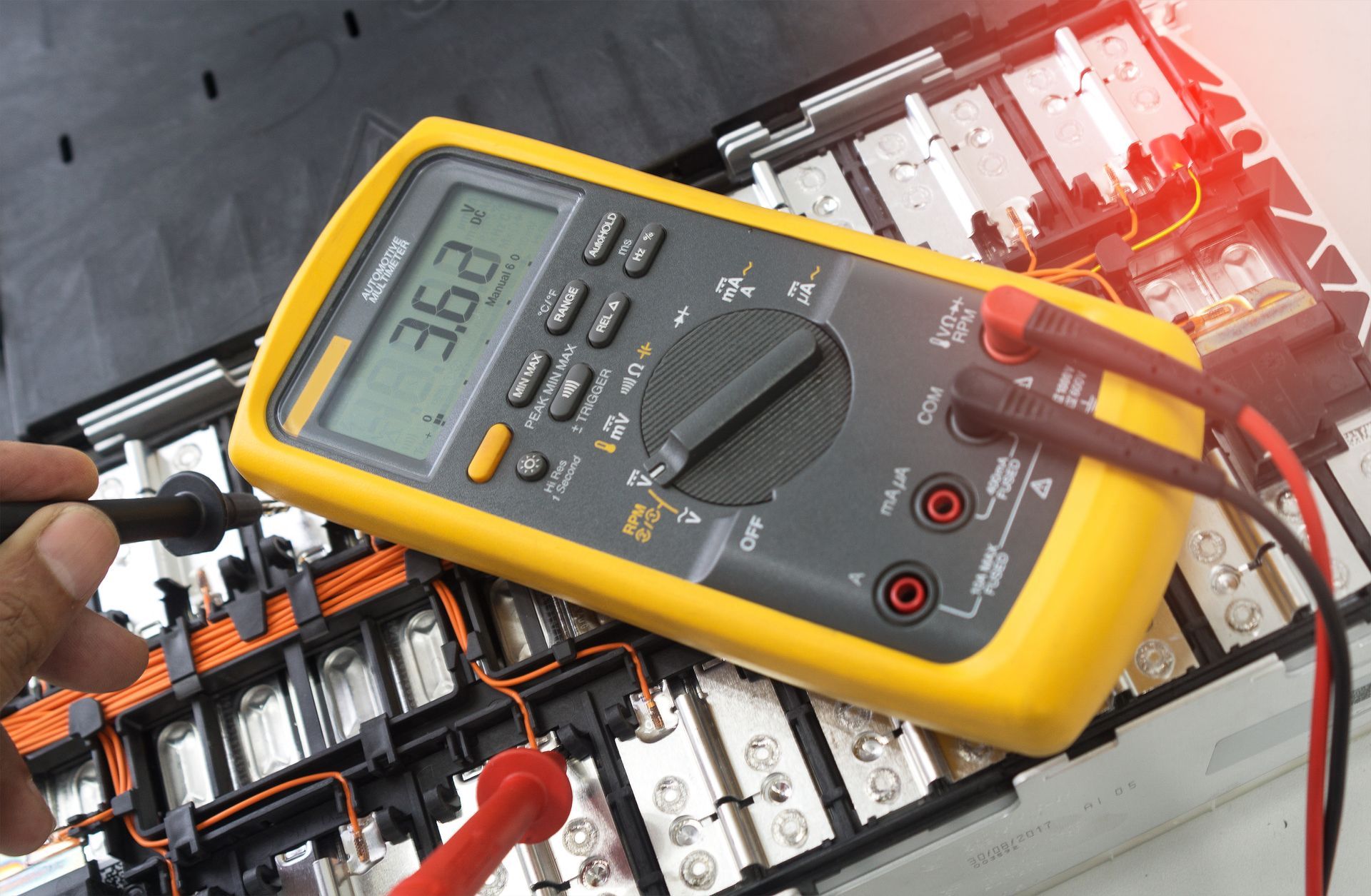
Additionally, testing equipment helps them diagnose malfunctions, allowing them to replace faulty components and restore functionality. They also complete detailed documentation of their work.
Types of Systems Low-Voltage Technicians Install
There are several types of systems that low-voltage technicians install, such as:
- Security systems with cameras and alarms.
- Fire detection systems.
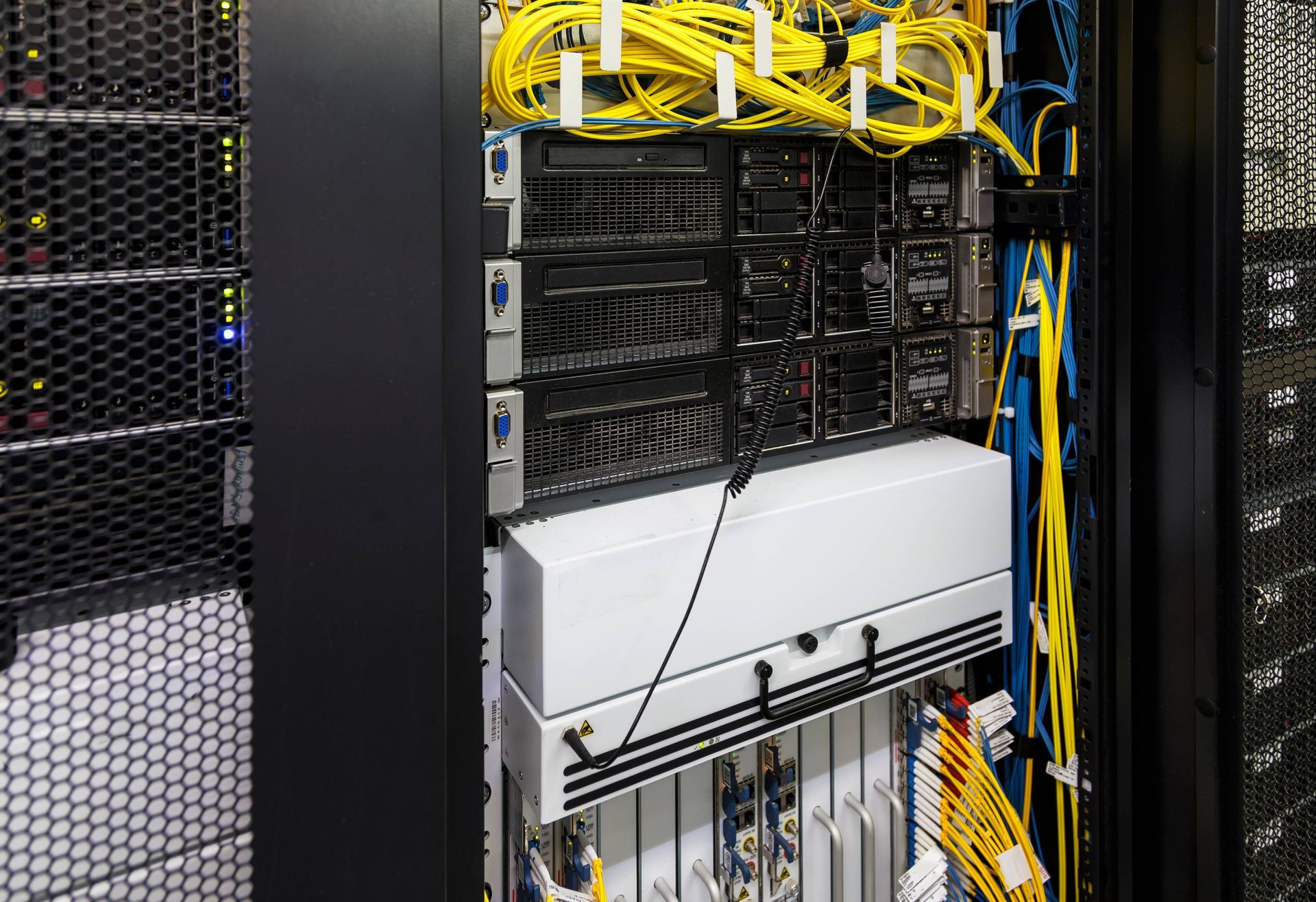
- Network cabling that connects computers and phones throughout buildings.
Another is access control technology, which manages who enters restricted areas. Some techs even specialize in smart home devices.
How to Become a Low-Voltage Technician
After high school, many folks begin this career trajectory in trade schools and community colleges. Licensed electricians can transition into low-voltage work to specialize in growing tech fields. Apprenticeships offer valuable hands-on training while you earn a wage and vital practical skills.
Industry certifications from organizations like ETA International demonstrate specific knowledge to employers and may boost your pay and job prospects. For electricians already holding licenses, adding low-voltage credentials opens doors to specialized projects.
What Are Low-Voltage Tech Skills?
Low-voltage tech skills include:
- Technical Knowledge: A firm understanding of electrical systems forms the foundation for your work. You'll work with various tools and read diagrams daily, so familiarity with both is essential.
- Problem-Solving: When systems fail unexpectedly, strong problem-solving skills help you track down issues fast.
- Attention to Detail: Paying attention to the task at hand and small details helps prevent safety hazards or costly repairs.
- Communication Skills: Customers might not understand electrical concepts, so you'll need to translate technical challenges into plain language. Team projects also require clear information sharing with other contractors, which keeps everyone on the same page and projects running smoothly.
Explore Low-Voltage Technician Jobs Near Lexington, KY
Now that you understand what low-voltage techs do, consider if this growing field matches your goals. At Walker Electric, we’re always seeking dedicated professionals interested in low-voltage technician jobs near Lexington, KY. We can provide mentorship from experienced team members, plus opportunities to advance your skills in a collaborative environment.
Contact us online or call (859) 252-2892 for more information. Walker Electric proudly serves our local communities, including Lexington, Frankfort, Richmond, Georgetown, Fayette County, and the surrounding counties.