Comparing Cable Technician vs. Installation Technician
Electrical work has become more specialized over the past decades, with the industry demanding specialists who focus on specific systems and technologies. At Walker Electric, our management team is riding the wave of this trend toward specialized roles, which is one of our keys to success.

We appreciate the differences between cable technicians versus installation technicians and are happy to explain them to anyone building a career in the electrical trade.
What Responsibilities Do Cable Technicians Have?
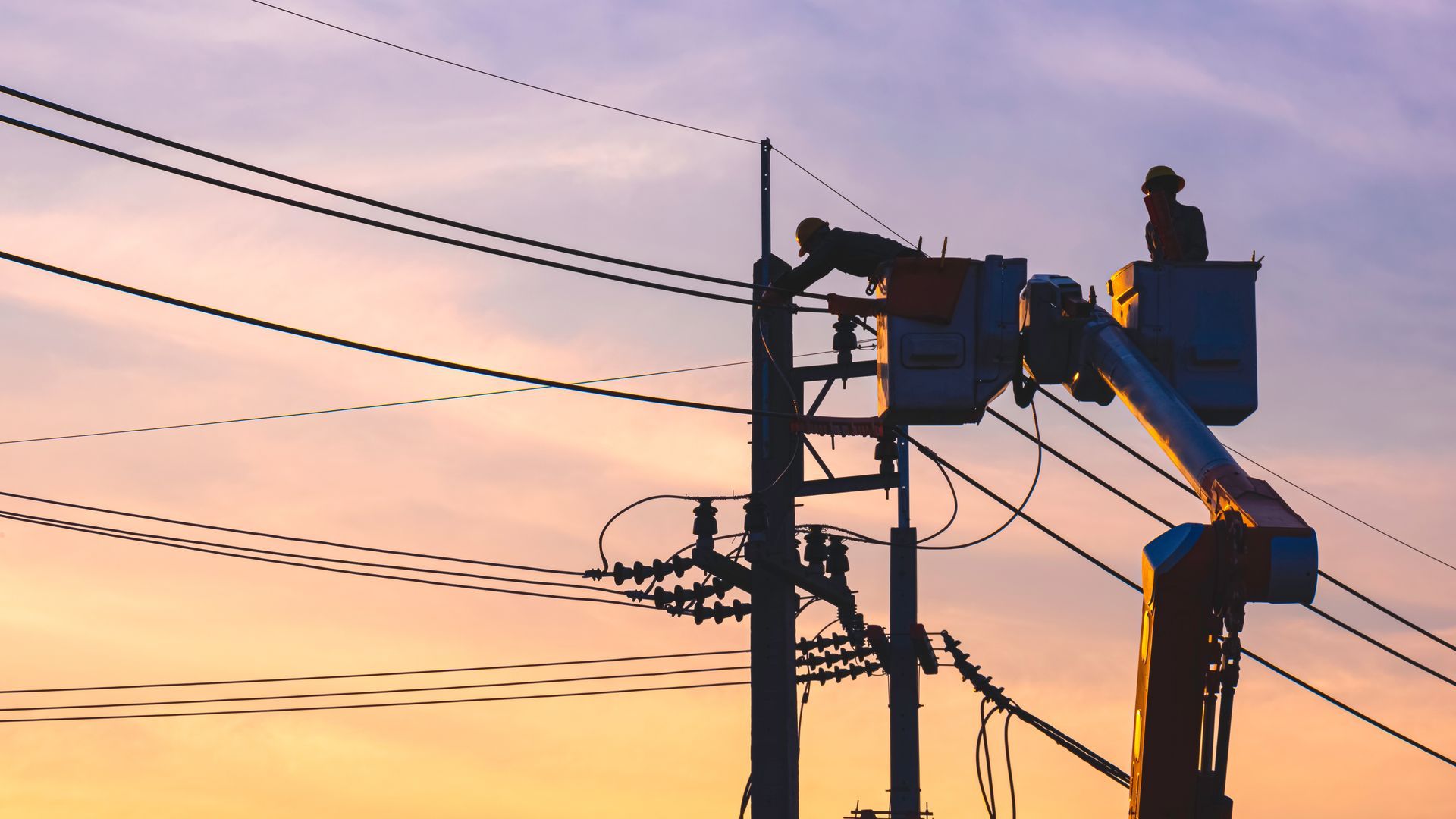
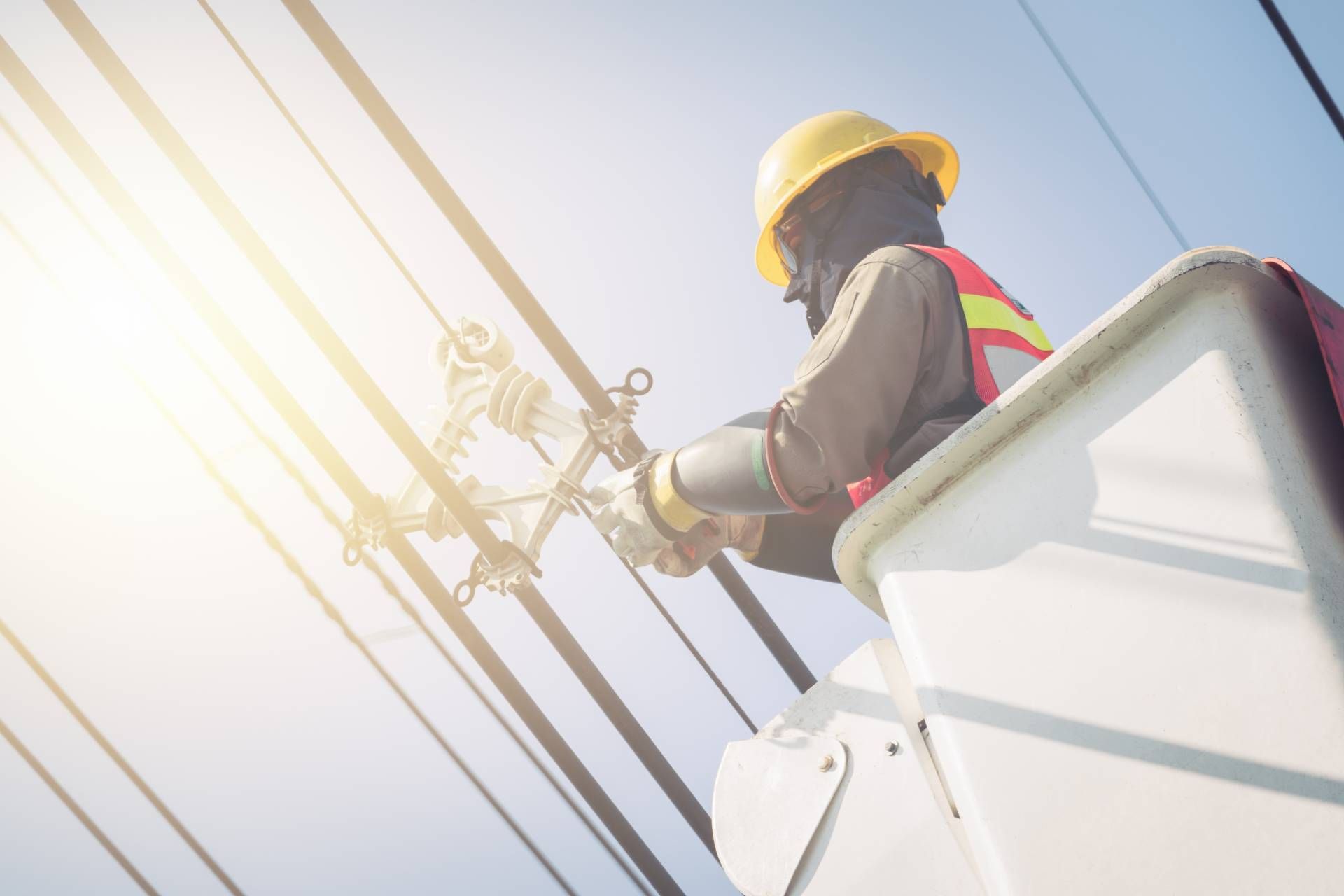
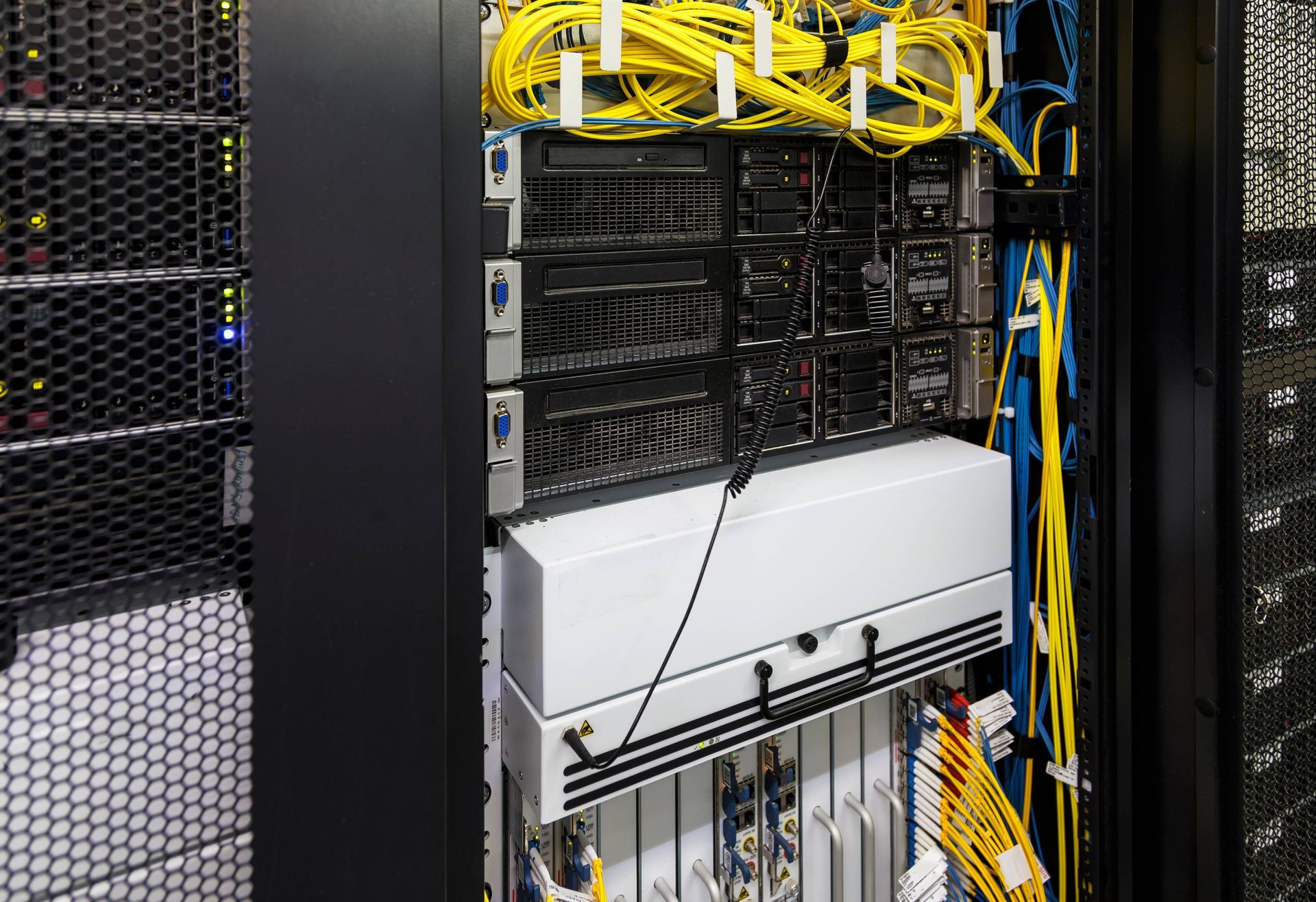
Cable technicians spend most of their time working with telecommunications and data systems. You'll find them installing coaxial cables, running fiber-optic lines, and setting up networking equipment that connects homes and businesses to internet, TV, and phone services. You can anticipate climbing utility poles, squeezing into crawl spaces, and figuring out why signals aren't going through properly.
The technical skills required for a cable technician include:
- Understanding signal strength.
- Knowing bandwidth requirements.
- Recognizing how different types of cable work under certain conditions.
Additionally, in this role, you’ll spend time talking with customers, walking them through their service options, and ensuring you install everything correctly. The job requires its own set of tools, such as:
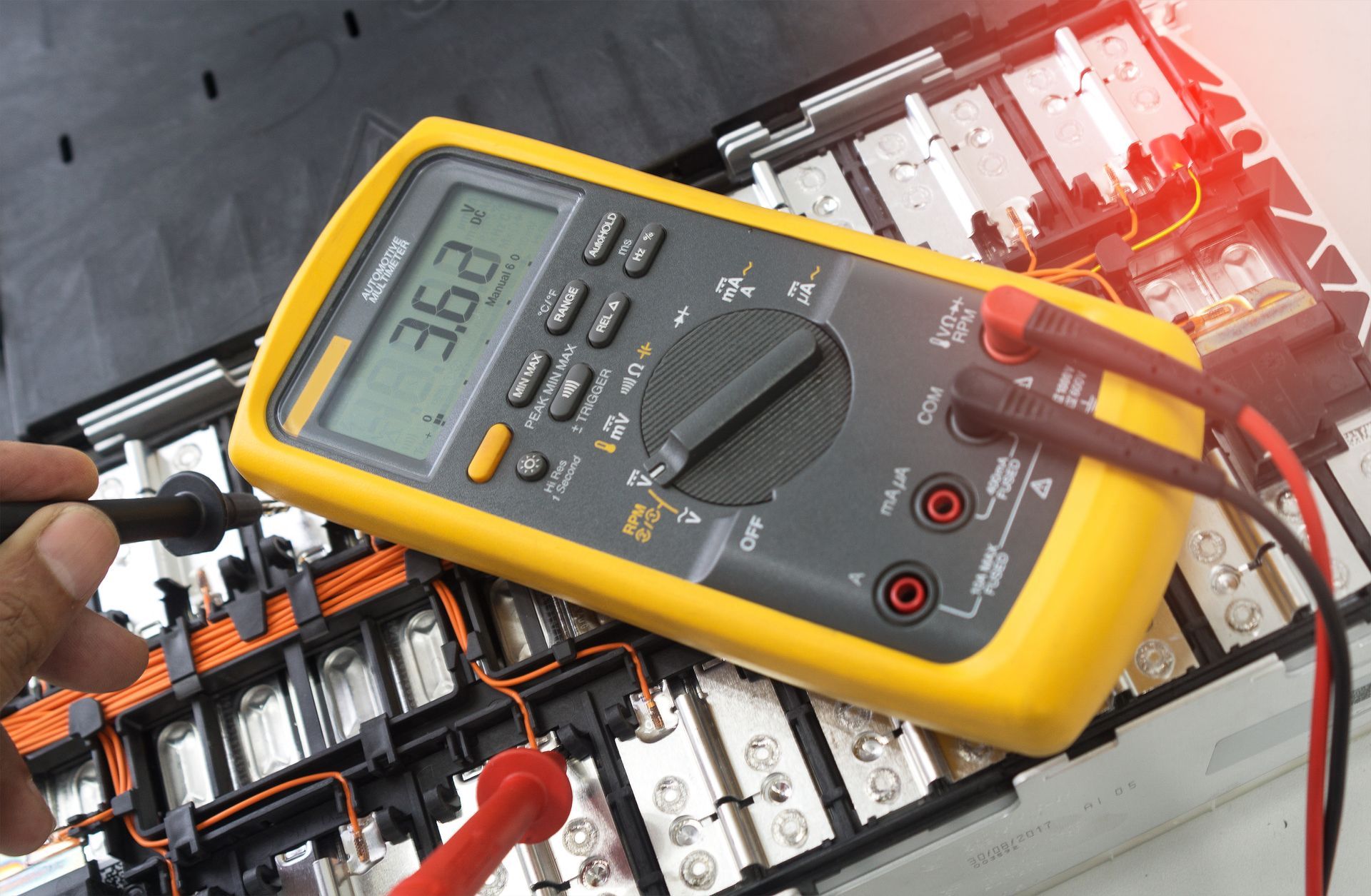
- Signal meters for checking connection quality.
- Compression tools for securing fittings.
- Cable strippers made for telecom work.
What Responsibilities Do Installation Technicians Have?
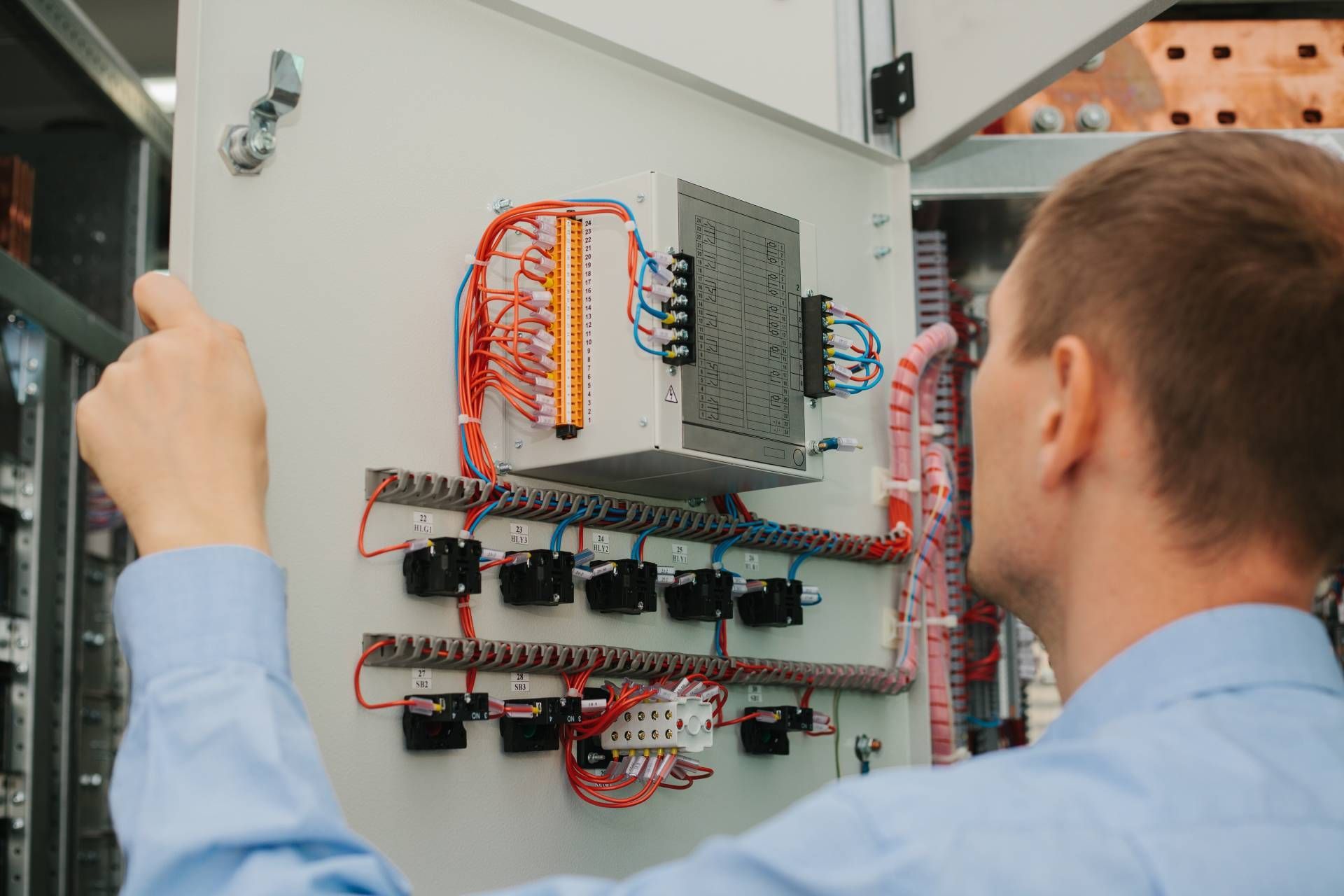
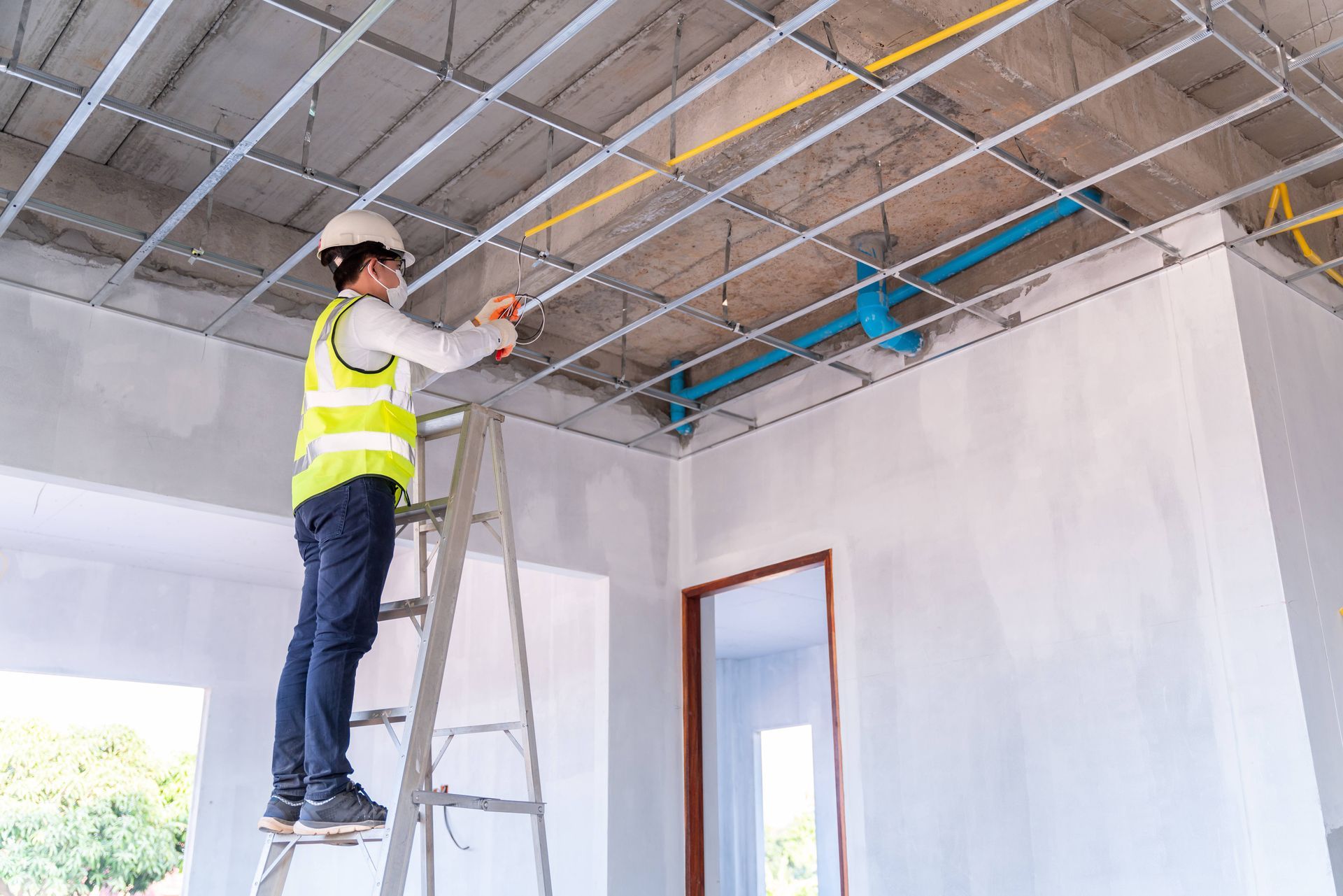
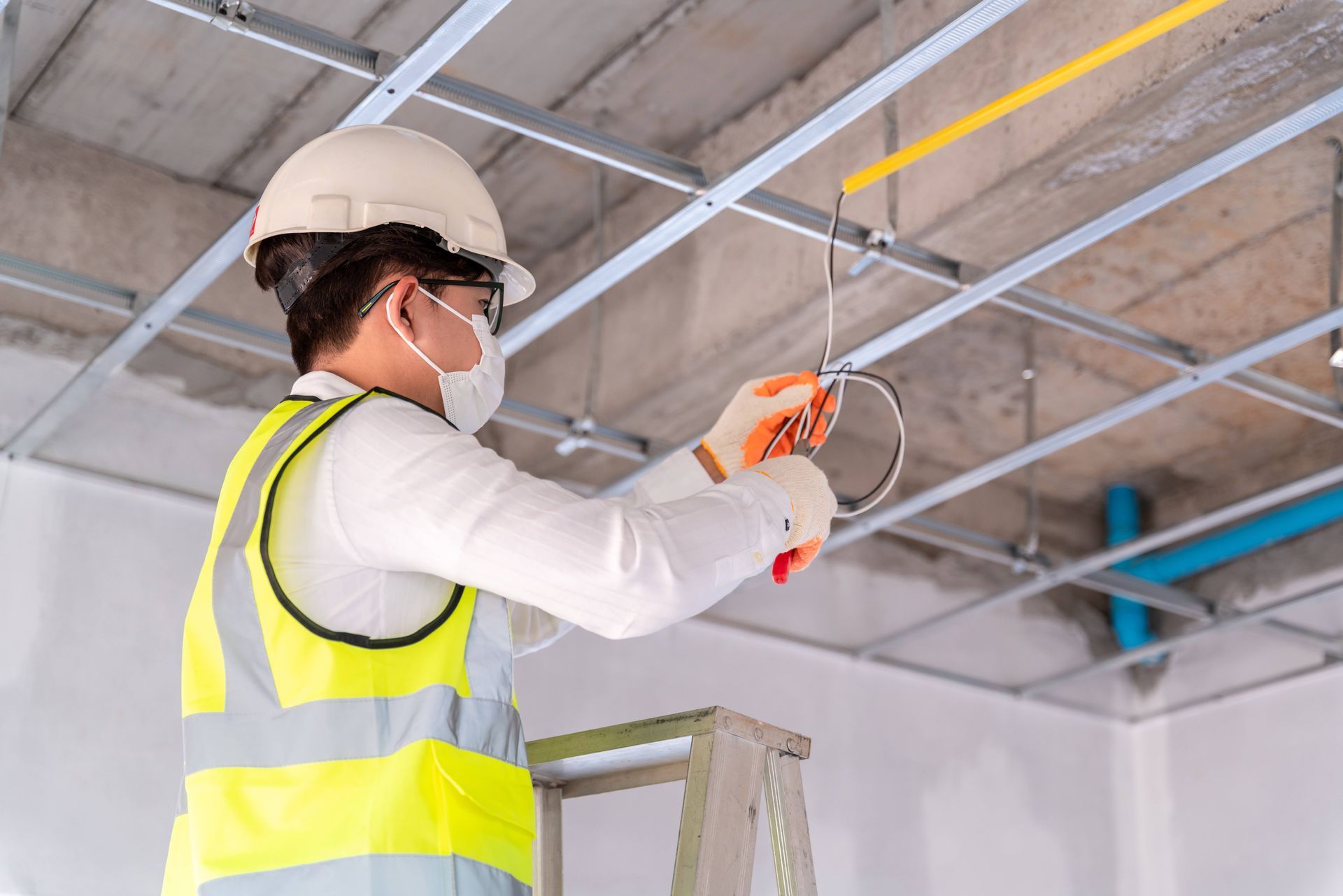
Installation technicians handle a wider range of electrical and mechanical work. One day you might install a security system, while the next day, you're setting up HVAC controls or mounting audio-visual equipment. Some cable work comes up, but overall, you need a broader skill set for this position.
The technical expertise required for installation technicians includes:
- Reading and interpreting blueprints accurately.
- Following building codes and regulations.
- Coordinating with other trades on job sites.
Every job site throws different curveballs your way, so you'll lean heavily on problem-solving skills. Many installation technicians eventually zero in on a particular specialty, such as:
- Fire alarms.
- Access controls.
- Smart home setups.
Education for Cable Technician vs. Installation Technician
Cable technicians usually pursue telecom-specific certifications through programs offered by organizations like the Society of Cable Telecommunications Engineers. Most of this training wraps up in about two years. You'll learn subjects like:
- Network architecture.
- How signals travel through different systems.
- Explore the equipment major service providers use.
Installation technicians might need a journeyman license or work as an apprentice electrician. The coursework covers topics such as:
- Electrical fundamentals.
- Critical safety rules.
- Different system installations.
Along this path, most prospects complete apprenticeships that blend classroom time with on-the-job experience.
Find Cable Technician Positions Near Lexington, KY
At Walker Electric, we’re constantly seeking skilled professionals who want to advance in their careers and expand their knowledge. Join our expert team to build your career with a company that values its employees, safety, and quality.
Contact us online or call (859) 252-2892 to speak with our team about cable technician positions near Lexington, KY, and more.
Walker Electric proudly serves our local communities, including Lexington, Frankfort, Richmond, Georgetown, Fayette County, and the surrounding counties.