Explore Low-Voltage Technicians vs. Low-Voltage Electricians
If you’re thinking about becoming an electrician or have already started training, you’ve probably read about different career paths within this trade. You might be wondering which direction best fits your skills, interests, and goals.
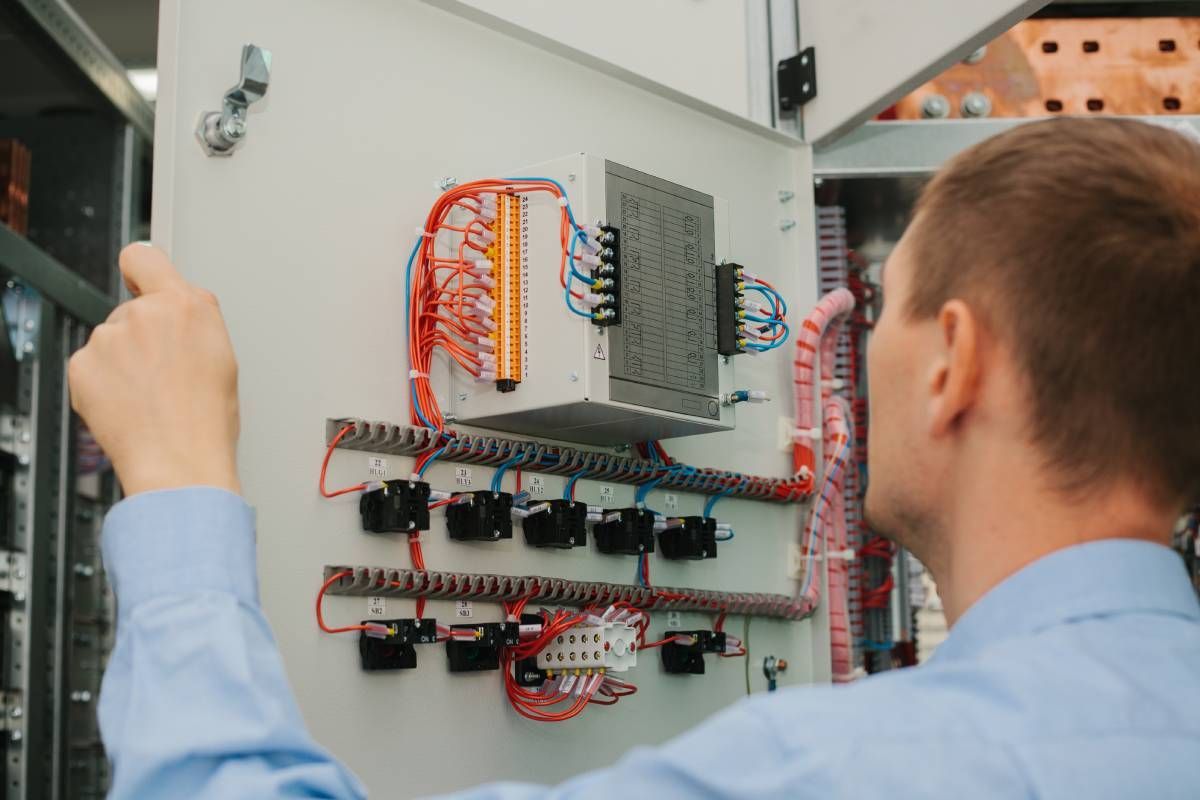
Companies like Walker Electric employ professionals who specialize in everything from structured cabling to full electrical installation. That’s where the comparison of a low-voltage technician versus a low-voltage electrician becomes important.
While both involve wiring and building systems, the training requirements, licensing, and long-term opportunities differ. Our experts created this guide to help you learn more about each career to determine which aligns with your passions and talents.
Education for Low-Voltage Technicians vs. Low-Voltage Electricians
Let’s explore the education and training requirements for low-voltage technicians versus low-voltage electricians:
Low-Voltage Technician Education and Training Requirements
Most low-voltage technicians focus on smaller systems operating at 50 volts or less, such as
- Data networks.
- Security cameras.
- Access control systems.
- Audio systems.
Many complete technical programs or earn certifications in structured cabling and fiber optics. In Kentucky, licensing rules depend on the scope of work and local regulations, so some techs work under a contractor’s supervision instead of holding a master electrician license.
Low-Voltage Electrician Education and Training Requirements
A low-voltage electrician is typically a licensed electrician first. In Kentucky, electricians must complete apprenticeship hours, classroom instruction, and pass a state exam. This type of electrician’s education covers subjects like:
- Wiring methods.
- Load calculations.
- Code requirements.
- Safety standards for higher-voltage systems.
Some choose to specialize in communications or alarm systems, yet they maintain the legal authority to perform broader electrical work.
Daily Responsibilities of Low-Voltage Technicians
On a typical day, low-voltage technicians might complete tasks such as:
- Pull the Ethernet cable through the conduit.
- Mount surveillance cameras.
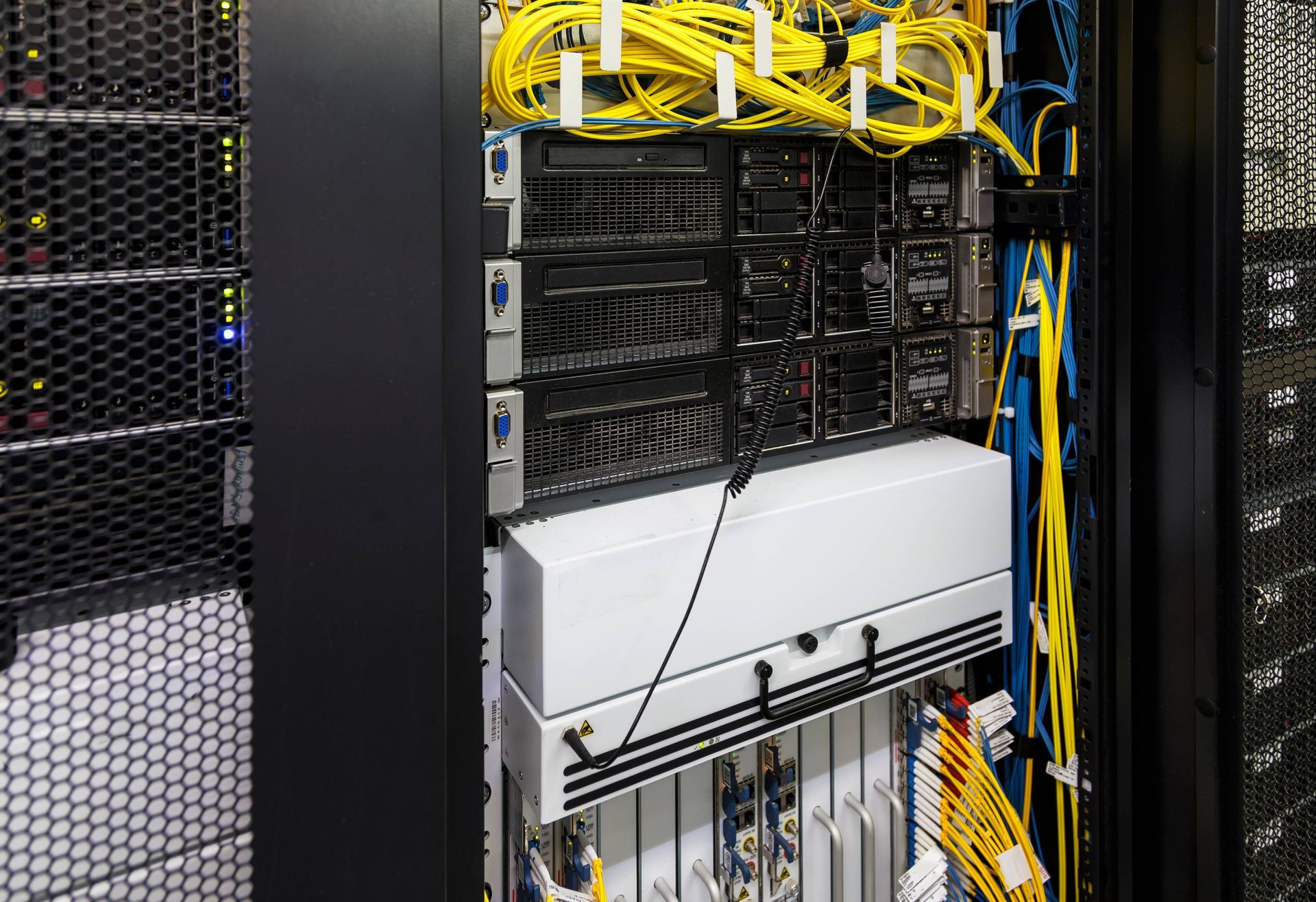
- Terminate fiber in a telecom closet.
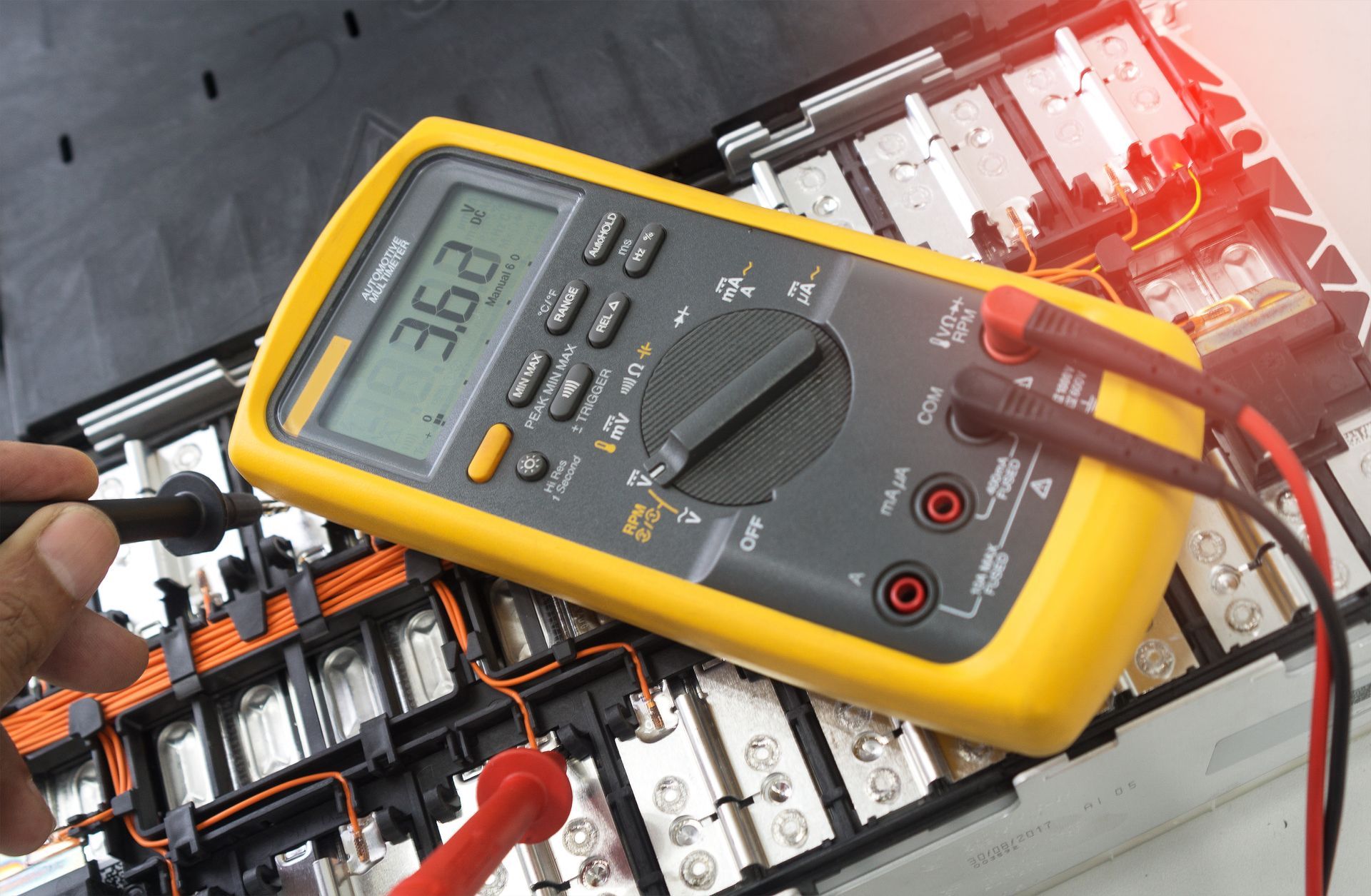
Attention to detail is critical, since poor terminations weaken signal strength and cause system failures. Low-voltage technicians rely on testing tools like cable certifiers and network analyzers to verify that installations meet performance standards.
Clean installation practices are critical, especially in finished offices or medical facilities. Low-voltage technicians must label cables clearly, route wiring away from electrical interference, and document layouts to save time during future service calls. Steps like those prevent problems later.
Daily Responsibilities of a Low-Voltage Electrician
A low-voltage electrician may install similar equipment to a low-voltage technician, but there’s a broader electrical perspective. Besides working with fire alarm panels or card access systems, they might perform tasks like:
- Coordinate power supplies.
- Backup circuits.
- Code-compliant connections to the building’s main service.
Because licensed electricians study the National Electrical Code (NEC), they can assess grounding, bonding, and overcurrent protection.
On residential projects, a low-voltage electrician may install smart lighting controls or whole-home audio systems. They may also handle panel upgrades or add new branch circuits, if their license permits. Their expertise helps connected systems function correctly and comply with electrical code standards.
Find Low-Voltage Careers Near Lexington, KY
At Walker Electric, we support projects that rely on both specialties, from commercial cabling to integrated building systems. Learning about apprenticeship tracks, certification programs, and Kentucky licensing standards can help you map out your next step with confidence. Contact us online, call (859) 252-2892 for more information, or apply for a role at Walker Electric.
Walker Electric proudly serves our local communities, including Lexington, Frankfort, Richmond, Georgetown, Fayette County, and the surrounding counties.